Getting Started with Trezor.io/start: A Complete Guide to Setting Up Your Trezor Wallet
Introduction: What is Trezor and Trezor.io/start?
As cryptocurrency grows in popularity, the need for secure, accessible, and reliable solutions to manage digital assets has become a priority for many investors and users. Trezor, one of the most trusted names in the cryptocurrency hardware wallet industry, offers a simple yet secure way to store and manage your cryptocurrencies. With a Trezor hardware wallet like the Trezor One or Trezor Model T, you can keep your private keys safe from hackers and malware by storing them offline in a physical device.
To help new users get started, Trezor.io/start is the official page provided by Trezor for the initial setup of your Trezor device. Whether you are new to cryptocurrency or have been using digital assets for some time, this page guides you through the installation and configuration process, ensuring that your assets are secure right from the start.
In this guide, we will walk you through everything you need to know about Trezor.io/start and the steps involved in setting up your Trezor wallet, ensuring a smooth and secure experience.
Why Choose Trezor Hardware Wallets?
Before diving into the setup process, it’s important to understand why Trezor has become one of the most popular choices for securely storing digital currencies.
1. Unbeatable Security
At the core of Trezor’s appeal is its security. The Trezor One and Trezor Model T are both hardware wallets, which means your private keys are stored offline, making them completely immune to online hacking attempts. In contrast to software wallets, which are vulnerable to cyberattacks, Trezor hardware wallets ensure that your private keys never leave the device, thus offering maximum protection for your funds.
2. Multi-Currency Support
Trezor wallets support a wide variety of cryptocurrencies. Whether you're holding Bitcoin (BTC), Ethereum (ETH), Litecoin (LTC), XRP, or ERC-20 tokens, Trezor devices can store and manage them securely. This multi-currency compatibility is one of the key reasons why Trezor is a popular choice for investors with diversified portfolios.
3. User-Friendly Interface
Despite their advanced security features, Trezor wallets are also designed to be easy to use. The Trezor.io/start page provides a step-by-step guide for setting up your device, and once your wallet is configured, Trezor Suite (the companion app) offers an intuitive interface for managing your digital assets. This combination of security and ease of use makes Trezor ideal for both beginners and experienced cryptocurrency users.
4. Integration with Third-Party Services
Beyond simple storage, Trezor integrates with multiple third-party services, allowing you to:
Buy cryptocurrencies directly within the wallet.
Swap between cryptocurrencies without needing to go through a centralized exchange.
Access decentralized finance (DeFi) applications and staking for various tokens like Tezos and Cosmos.
This level of integration offers users a convenient, all-in-one solution for managing their crypto.
Step-by-Step Guide to Setting Up Your Trezor Wallet via Trezor.io/start
Setting up your Trezor hardware wallet for the first time is a straightforward process. Here’s a step-by-step guide to walk you through the setup, from unboxing your device to configuring it for secure use.
Step 1: Unbox Your Trezor Device
The first step in your journey is to unbox your Trezor device. Inside the box, you’ll find:
Trezor One or Trezor Model T device.
USB cable for connecting the device to your computer (or mobile, if using Bluetooth).
Recovery seed cards to write down your recovery seed phrase.
Sticker and user manual with additional information on setting up the device.
Make sure that the Trezor device is sealed and has not been tampered with. This is important for maintaining security, as any tampering could compromise the integrity of your wallet.
Step 2: Visit Trezor.io/start
Go to Trezor.io/start: Open your preferred web browser and visit Trezor.io/start. This official website guides you through the entire process of setting up your Trezor hardware wallet. Be sure to only use the official site to avoid phishing attempts or counterfeit apps.
Choose Your Trezor Model: The page will prompt you to select your specific Trezor device, either the Trezor One or Trezor Model T. Each model has slightly different setup processes, so choose the correct model.
Download Trezor Suite: Once you’ve selected your device, you’ll be prompted to download Trezor Suite—the software application that allows you to manage your cryptocurrency portfolio securely. Trezor Suite is available for Windows, macOS, and Linux.
Step 3: Install Trezor Suite and Connect Your Device
Download and Install: After selecting your operating system, download the installation file for Trezor Suite. Follow the on-screen instructions to install the app on your computer.
Connect Your Trezor Device: Once installed, connect your Trezor device to your computer using the provided USB cable. If you're using a Trezor Model T, you can also connect via Bluetooth for mobile use.
Verify Device Authenticity: Once connected, the software will ask you to verify that your Trezor device is genuine. This is an important step to ensure you’re not using a compromised device. Verify the serial number on your device’s screen to confirm its authenticity.
Step 4: Set Up Your Trezor Wallet
Choose Your Language: After verifying your device, you’ll be prompted to choose your preferred language. This will apply to both the Trezor device and the Trezor Suite interface.
Create a PIN: For added security, you’ll be asked to create a PIN code. This code will be required to access your Trezor wallet each time you connect the device to your computer or mobile. Choose a strong, memorable PIN and never share it with anyone.
Write Down Your Recovery Seed: Your Trezor device will generate a 24-word recovery seed. Write this down carefully on the provided recovery seed card and store it in a safe place. This seed is your only backup if your device is lost, stolen, or damaged. Never store the recovery seed digitally (e.g., on your computer or online) as this would compromise its security.
Confirm Recovery Seed: After writing down the recovery seed, you’ll need to confirm the words by selecting them in the correct order on your Trezor device. This step ensures that you’ve written down the seed accurately.
Install Cryptocurrency Apps: Once your device is set up, you can install the apps for the cryptocurrencies you want to manage, such as Bitcoin, Ethereum, and Litecoin. This step is necessary to interact with those assets on your Trezor device.
Step 5: Start Using Your Trezor Wallet
Now that your Trezor device is set up, you can start managing your crypto assets:
Check your balances: View your cryptocurrency holdings in Trezor Suite.
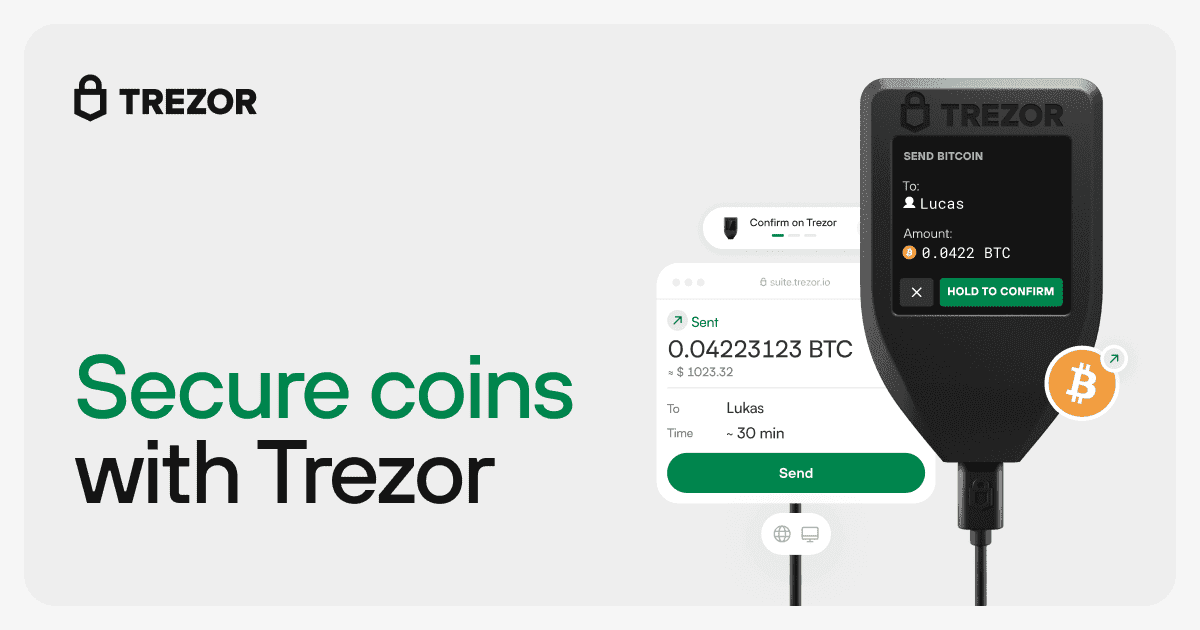
Send and receive cryptocurrencies: With your Trezor wallet, you can send and receive various cryptocurrencies. All transactions require confirmation on your device for added security.
Buy and swap: Through integrated services like CoinSwitch and Changelly, you can buy and swap cryptocurrencies directly within Trezor Suite.
Best Practices for Keeping Your Trezor Wallet Safe
While Trezor devices offer unbeatable security, it’s essential to follow best practices to ensure your assets remain safe.
1. Store Your Recovery Seed Securely
The recovery seed is the most important piece of information for recovering your wallet. Always store it in a safe place, preferably offline and in multiple locations (e.g., a safe deposit box). Never share your recovery seed with anyone or store it digitally.
2. Enable Passphrase Protection
For additional security, consider using a passphrase. This adds an extra layer of protection by creating a "hidden" wallet within your Trezor device. Even if someone gains access to your recovery seed, they won’t be able to access your funds without the passphrase.
3. Use Strong PINs and Passwords
Choose a strong, unique PIN code and password for your Trezor device and Trezor Suite. Avoid using easily guessable information, such as birthdates or common words.
4. Regularly Update Firmware
Always ensure that your Trezor device is running the