Complete Guide to Trezor.io/start: How to Set Up Your Trezor Hardware Wallet
Introduction: Why Trezor and What is Trezor.io/start?
In the rapidly expanding world of cryptocurrencies, security is paramount. The rise in crypto investment has attracted hackers, phishing attacks, and malware threats, making the protection of digital assets more critical than ever before. For users seeking a safe and reliable way to store their cryptocurrencies, Trezor hardware wallets offer one of the best solutions available today.
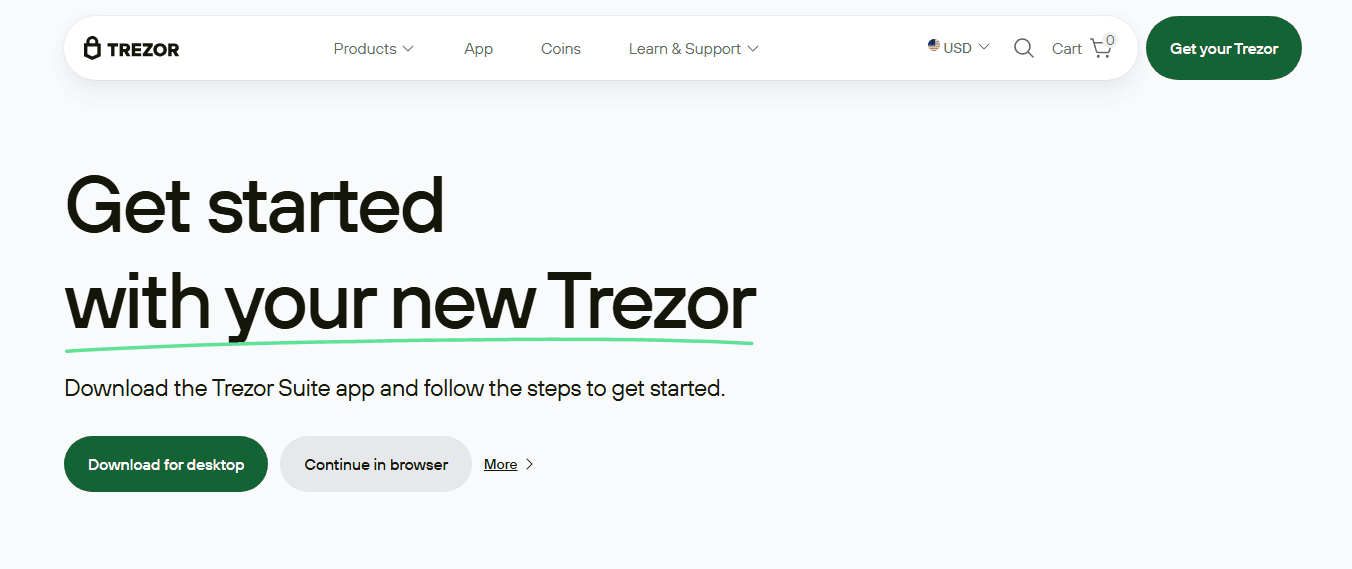
Trezor.io/start is the official web page for setting up your Trezor wallet. Whether you're a beginner or experienced in the world of digital currencies, Trezor.io/start serves as your gateway to configuring your Trezor One or Trezor Model T wallet with the Trezor Suite app, enabling you to securely store and manage your digital assets.
In this comprehensive guide, we'll walk you through the entire setup process, explain key features, and offer tips on keeping your wallet and funds secure.
Why Use Trezor Hardware Wallets?
1. Enhanced Security
One of the biggest reasons to choose a Trezor hardware wallet is its unbeatable security. When you store your cryptocurrencies in a hardware wallet, they remain offline—safe from hackers, phishing attacks, and malware. Unlike software wallets or exchanges, where your private keys are stored on an internet-connected device, Trezor ensures your keys are kept offline, providing robust protection against online threats.
2. Multi-Currency Support
Another strong reason for choosing Trezor is the vast range of cryptocurrencies it supports. Trezor supports over 1,000 cryptocurrencies, including popular assets like Bitcoin (BTC), Ethereum (ETH), Litecoin (LTC), XRP, and more. This means that no matter what digital asset you hold, you can store and manage it securely with your Trezor device.
3. User-Friendly Interface
While security is the core of Trezor devices, they also prioritize usability. Trezor Suite, the software that connects your Trezor device to your computer or mobile device, is designed to be intuitive and easy to use. Whether you’re checking your portfolio, making a transaction, or interacting with DeFi (decentralized finance) apps, Trezor Suite makes managing your crypto assets simple, even for newcomers.
4. Staking & DeFi Access
For users looking to maximize their investments, Trezor supports staking for certain cryptocurrencies such as Tezos (XTZ) and Cosmos (ATOM). Staking allows you to earn rewards by locking up your coins to support the network. Additionally, Trezor allows you to connect to decentralized exchanges (DEXs) and DeFi platforms, expanding the possibilities of how you interact with your cryptocurrencies.
Getting Started with Trezor: Step-by-Step Guide to Trezor.io/start
Trezor.io/start is your one-stop destination for setting up and configuring your Trezor hardware wallet. Below is a step-by-step breakdown of what you’ll need to do to get started securely.
Step 1: Unbox Your Trezor Device
When you first receive your Trezor wallet, you’ll find the following items in the box:
Trezor One or Trezor Model T (depending on your purchase).
USB cable (for connecting your device to a computer or mobile).
Recovery seed cards (to write down your recovery seed phrase).
User manual (for reference).
Trezor stickers (for your personal touch).
Ensure that your device is sealed properly and hasn’t been tampered with before proceeding. This is essential for your security.
Step 2: Visit Trezor.io/start
Open Your Browser: Launch your web browser and go to Trezor.io/start. This is the official setup page for Trezor hardware wallets.
Choose Your Trezor Device: On the setup page, you will be asked to select the model of your device—either Trezor One or Trezor Model T. Select the appropriate model, and the website will guide you through the relevant instructions for setting it up.
Download Trezor Suite: Once you’ve selected your device, the next step will be to download Trezor Suite—the software needed to interact with your hardware wallet. Trezor Suite is available for Windows, macOS, and Linux. Make sure to download the software directly from the official Trezor website to avoid any risks.
Step 3: Install Trezor Suite
Download the Software: Click on the appropriate download link based on your operating system. After downloading the installation file, proceed to install Trezor Suite on your computer.
Install the Software: Follow the on-screen instructions to complete the installation process.
Launch Trezor Suite: Once installed, open the Trezor Suite application. This software will allow you to connect your Trezor wallet and manage your digital assets securely.
Step 4: Connect Your Trezor Device
Connect the Device: Plug your Trezor device into your computer using the USB cable provided. If you're using a Trezor Model T, you can also connect via Bluetooth for mobile devices.
Verify Your Device: Once your device is connected, Trezor Suite will automatically recognize it. The software will prompt you to verify that you’re using a genuine Trezor device. This is an important step to ensure that your wallet has not been tampered with.
Select Language: Choose your preferred language for both the Trezor Suite software and the Trezor device.
Step 5: Set Up Your Trezor Wallet
Create a PIN Code: To protect your wallet, you will be prompted to create a PIN code. This PIN is required to access your Trezor device whenever you connect it to your computer or mobile. Be sure to choose a strong, unique PIN that is not easily guessed.
Write Down Your Recovery Seed: Your Trezor device will generate a 24-word recovery seed. This seed phrase is essential for recovering your wallet in case your device is lost, stolen, or damaged. Write it down carefully on the provided seed card, and keep it in a safe, offline location. Do not store the seed phrase digitally.
Confirm the Recovery Seed: After writing down your recovery seed, the Trezor device will ask you to confirm it by selecting the words in the correct order. This is to ensure that you have recorded the seed correctly and that you can restore your wallet if needed.
Step 6: Install Cryptocurrency Apps
Once your Trezor device is initialized, you can install cryptocurrency apps for the coins and tokens you wish to store. For example, if you plan on managing Bitcoin (BTC), you will need to install the Bitcoin app on your device.
Install the Apps: Select the cryptocurrencies you want to manage, and Trezor Suite will install the necessary apps onto your device.
Start Managing Your Crypto: Once the apps are installed, you can begin managing your assets directly through the Trezor Suite app.
Step 7: Start Using Your Trezor Wallet
Now that your Trezor device is set up, you can begin using it to:
Check your balances and portfolio performance within Trezor Suite.
Send and receive cryptocurrencies by entering the recipient’s address and confirming the transaction on your Trezor device.
Buy and swap crypto directly within the app using services like CoinSwitch and Changelly.
Stake cryptocurrencies like Tezos (XTZ) or Cosmos (ATOM) to earn rewards.
Best Practices for Keeping Your Trezor Wallet Safe
While Trezor hardware wallets offer excellent security, there are still important best practices to follow to keep your wallet and funds as secure as possible:
1. Store Your Recovery Seed Securely
Your recovery seed is the key to recovering your wallet if your device is lost or damaged. Never store it digitally (e.g., in emails, cloud storage, or photos) because it could be accessed by hackers. Write the seed on paper and store it in a safe, offline location, like a locked safe.
2. Enable Passphrase Protection
A passphrase adds an extra layer of security to your Trezor wallet. By enabling a passphrase, you create a "hidden wallet" within your device. Even if someone obtains your recovery seed, they won’t be able to access your funds without the passphrase.